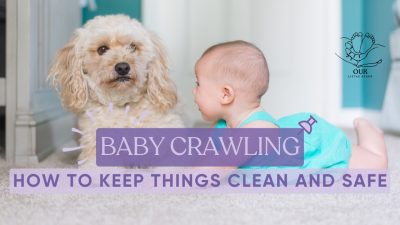


Bringing a new baby home is a joyous occasion, but if you’re also a dog owner, you might be wondering how your furry friend will adjust. Choosing the right dog breed can make a big difference in how smoothly the transition goes and how well your baby and dog get along. While every dog is an individual, certain breeds are generally known for their gentle nature, patience, and tolerance, making them potentially better fits for families with babies.
Factors to Consider Beyond Breed:
Before diving into specific breeds, it’s crucial to understand that breed is just one piece of the puzzle. A dog’s individual temperament, training, socialization, and the way you manage the interactions between your baby and dog are all equally important. Even a breed known to be “good with kids” can be unpredictable if not properly trained and supervised.
Characteristics to Look For:
When considering a dog for a family with a baby, look for these traits:
- Gentle and Patient: A dog that’s tolerant of the sometimes clumsy and unpredictable behavior of a baby or toddler.
- Friendly and Social: A dog that enjoys human interaction and isn’t overly territorial or protective.
- Trainable and Obedient: A dog that responds well to training commands, making it easier to manage their behavior around a baby.
- Low Prey Drive: A dog with a low prey drive is less likely to chase or nip at small, moving objects (like a crawling baby).
- Energy Level: Consider your lifestyle. A high-energy dog might be overwhelming with a baby, while a low-energy dog might be a better fit.
Dog Breeds Often Considered Good with Babies (but remember, individuals vary!):
- Golden Retriever: Known for their friendly, playful, and patient nature, Golden Retrievers are often a popular choice for families with children. They are generally good-natured and tolerant.
- Labrador Retriever: Similar to Golden Retrievers, Labs are intelligent, affectionate, and eager to please. They are usually gentle and patient with children.
- Newfoundland: Often called “nanny dogs,” Newfoundlands are large, gentle giants known for their calm demeanor and protectiveness towards children.
- Bernese Mountain Dog: These gentle giants are affectionate and loyal, making them good companions for families. They can be a bit more reserved than Goldens or Labs.
- Beagle: Beagles are friendly, curious, and playful, making them good playmates for children. However, they can be prone to barking and require consistent training.
- Cavalier King Charles Spaniel: These small, affectionate dogs are gentle and adaptable, making them a good fit for families with babies.
- Irish Setter: These energetic and playful dogs are known for their affectionate nature and love of children. However, they require plenty of exercise.
Breeds That Might Require Extra Consideration:
Some breeds, due to their temperament or energy levels, might require more careful consideration and management around babies. This doesn’t mean they can’t be good family dogs, but it’s essential to be aware of their specific needs:
- Herding Breeds (e.g., Border Collies, Australian Shepherds): These dogs have a strong herding instinct, which can sometimes lead them to nip at heels or chase small children.
- Terriers: Terriers are often energetic and have a high prey drive, which can be challenging with a baby.
- Guard Dogs (e.g., Rottweilers, Doberman Pinschers): While loyal and protective, these breeds can be overly protective and require extensive training and socialization.
Beyond the Breed: The Importance of Training and Socialization:
No matter what breed you choose, proper training and socialization are essential. Expose your dog to babies and children from a young age in a positive and controlled manner. Teach them basic obedience commands and how to interact appropriately with babies.
Managing Baby-Dog Interactions:
- Supervise, supervise, supervise: Never leave a baby and a dog unsupervised, even for a moment.
- Create safe spaces: Provide your dog with a quiet space where they can retreat when they need a break.
- Teach children how to interact with dogs: Teach them to be gentle and respectful.
- Be aware of dog body language: Learn to recognize signs of stress or discomfort in your dog.
Choosing a dog breed for a family with a baby is a big decision. While certain breeds might be more naturally inclined to be gentle and tolerant, every dog is an individual. Focus on finding a dog with a good temperament, investing in proper training and socialization, and always supervising interactions between your baby and your dog. With careful planning and management, you can create a loving and harmonious environment for both your baby and your furry friend.