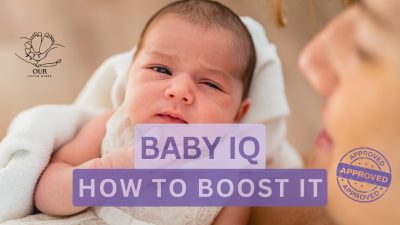

As a parent, you’ve probably stumbled across claims that playing Mozart for your baby will turn them into a future Einstein. But is there any truth to the “Mozart Effect,” or is it just another viral parenting myth designed to sell baby toys and apps? Let’s dive into the science, the hype, and what experts really say about music and baby brain development.
What Is the Mozart Effect?
The term “Mozart Effect” was born in 1993, when a small study published in Nature found that college students performed better on spatial reasoning tests after listening to Mozart’s Sonata for Two Pianos in D Major. Media headlines quickly twisted this into: “Classical Music Makes You Smarter!”
Fast-forward to today, and the idea has morphed into a booming industry of Mozart-themed baby toys, playlists, and even prenatal sound systems. But here’s the catch: the original study never involved babies—it focused on adults for short-term tasks. So how did this become a parenting staple?

The Science Behind Music and Baby Brain Development
Before dismissing the Mozart Effect entirely, let’s unpack what we do know about music and infant development.
Research shows that exposure to music—especially interactive experiences like singing or rhythmic play—can support language development, emotional bonding, and even motor skills. For example, a 2016 study by the University of Washington found that babies who participated in music classes showed improved brain processing of musical rhythms and speech patterns.
But does Mozart specifically have magical properties? Not exactly. The key is engagement. Passive background noise (even Mozart) likely won’t spark genius. However, interactive music experiences—like clapping, dancing, or singing with your baby—activate multiple areas of the brain linked to learning.
Why the Mozart Effect Is Controversial
Critics argue that the Mozart Effect is a classic case of “science sensationalism.” Dr. Frances Rauscher, co-author of the original 1993 study, has repeatedly clarified that her research never claimed music boosts IQ—it only noted a temporary improvement in spatial reasoning.
Even more damning? A 2010 meta-analysis of 40 studies found no evidence that listening to classical music improves cognitive abilities long-term. The American Academy of Pediatrics also emphasizes that human interaction, not passive screen or audio time, is the gold standard for development.
Yet, the myth persists. Why? Blame clever marketing. Companies like Baby Einstein (which once sold Mozart DVDs for infants) cashed in on parental anxiety, despite settling a lawsuit in 2009 for misleading educational claims.
What Actually Helps Babies’ Brains Thrive?
If Mozart isn’t a magic pill, what does work? Here’s what experts recommend:
- Talk and Sing to Your Baby Face-to-face interaction builds neural connections far more effectively than any recording. Narrate your day, make up silly songs, or mimic your baby’s coos.
- Encourage Play-Based Learning Stacking blocks, peek-a-boo, and exploring textures teach cause-and-effect, spatial awareness, and problem-solving.
- Mix Music with Movement Dance with your baby, tap rhythms on pots, or use shakers. Multisensory experiences boost memory and coordination.
- Read Together Daily Even 10 minutes of reading aloud enhances vocabulary, attention span, and emotional bonding.
- Prioritize Sleep and Nutrition A well-rested, well-fed brain is primed to learn—no symphony required.
So, Should You Play Mozart for Your Baby?
If you enjoy classical music, go for it! There’s no harm in creating a calming environment with Mozart, Bach, or even Beyoncé. But don’t expect miracles. As developmental psychologist Dr. Samantha Jones notes:
“Music is a wonderful tool for bonding and joy, but it’s not a substitute for responsive parenting. Your baby’s ‘genius’ comes from your love and attention, not a speaker.”
The Mozart Effect isn’t a hoax—it’s just wildly misunderstood. While music can enrich your baby’s world, it’s no shortcut to brilliance. Focus on interactive, playful, and loving experiences instead of chasing quick fixes.
And hey, if you do want to queue up Mozart during tummy time? Pair it with giggles, cuddles, and eye contact. That’s the real genius hack.
References
- University of Washington Study on Music and Baby Brains
- 2010 Meta-Analysis on the Mozart Effect
- American Academy of Pediatrics on Early Brain Development
Loved this post? Share your thoughts below! Have you tried music with your little one? What’s your go-to baby brain booster? Let’s chat in the comments 💬.