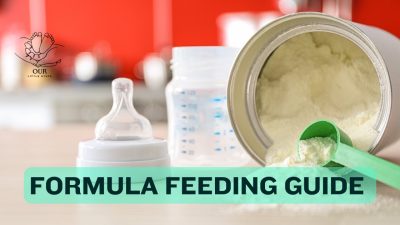


Is mealtime with your little one turning into a battle of wills? You’re not alone! Picky eating is a common phase in babyhood and toddlerhood. While it can be frustrating, it’s important to remember that it’s often a temporary stage of development. Let us provide some practical tips and suggestions to navigate the picky eating phase and encourage healthy eating habits.
1. Understand the Why:
Picky eating can stem from various factors, including developmental stages, teething discomfort, or simply exploring their newfound independence. Try to approach mealtimes with empathy and patience.
2. Offer Variety:
Introduce new foods regularly, even if your baby initially rejects them. It can take multiple exposures before a baby accepts a new flavor or texture.
3. Make it Fun:
Create a positive and enjoyable mealtime environment. Avoid power struggles and pressure tactics. Instead, try making food playful by cutting it into fun shapes or arranging it into colorful patterns.
4. Involve Your Baby:
Let your baby participate in meal preparation (age-appropriately, of course!). This can increase their interest in trying new foods.
5. Trust Your Baby’s Cues:
Babies are excellent at regulating their own intake. Don’t force your baby to eat if they’re not hungry. Respect their fullness cues.
6. Offer Healthy Options:
Focus on providing a variety of nutritious foods, including fruits, vegetables, whole grains, and lean proteins. Limit processed foods, sugary drinks, and excessive snacks.
7. Be a Role Model:
Babies often mimic their parents’ eating habits. Show your little one that you enjoy healthy foods.
8. Don’t Give Up:
It’s normal for babies to go through periods of refusing certain foods. Stay patient and persistent, and continue to offer a variety of healthy options.
9. The Division of Responsibility:
This feeding approach suggests that parents are responsible for what and when food is offered, while the child is responsible for how much and whether they eat. This can help take the pressure off both parent and child.
10. Consult Your Pediatrician:
If you’re concerned about your baby’s growth or nutritional intake, or if picky eating is causing significant stress, talk to your pediatrician. They can provide personalized guidance and address any underlying medical concerns.
Remember: Picky eating is often a phase. By staying patient, offering variety, and creating a positive mealtime environment, you can help your little one develop healthy eating habits for life.
Disclaimer: I am not a medical professional. The content provided on this blog is intended for general knowledge and informational purposes only, and does not constitute medical advice. It is essential to consult with a qualified healthcare provider for any health concerns or before making any decisions related to your health, treatment, or the health of your child. Reliance on any information provided on this blog is solely at your own risk.